Boost Your Brand with our Custom Packaging!
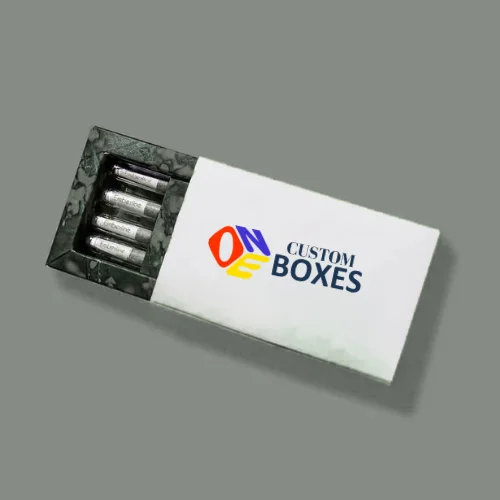
Cigarette sleeve boxes are a two-part packaging format consisting of an inner tray or box that slides in and out of an outer sleeve. They combine structural protection with strong visual branding, offering tobacco companies a premium, shelf-ready packaging solution available in cardboard, kraft, and rigid materials with full custom printing and finish options.

Get Your Custom Boxes Designed in Your Desired Shape, Size and Style

Get Your Custom Boxes Designed in Your Desired Shape, Size and Style

Get Your Custom Boxes Designed in Your Desired Shape, Size and Style
| Dimensions | All Custom Sizes & Shapes |
|---|---|
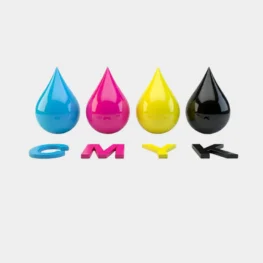
| Printing | CMYK, PMS, No Printing |
| Paper Stock | 10pt to 28pt (60lb to 400lb) Eco-Friendly Kraft, E-flute Corrugated, Bux Board, Cardstock |
| Quantities | 100 - 500,000 |
| Coating | Gloss, Matte, Spot UV |
| Default Process | Die Cutting, Gluing, Scoring, Perforation |
| Options | Custom Window Cut Out, Gold/Silver Foiling, Embossing, Raised Ink, PVC Sheet |
| Proof | Flat View, 3D Mock-up, Physical Sampling (On request) |
| Turn Around Time | 4–6 Business Days, Rush |
It is a popular choice for luxury and high-end product packaging. This coating delivers a silky, soft-touch texture, which adds a refined appearance and leaves a lasting impression of quality and exclusivity

It is a popular choice for luxury packaging and corporate branding. This finishing method presses the design into the material, which creates an elegant dimensional effect and gives the packaging a refined, professional look.
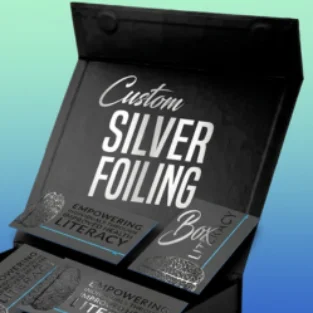
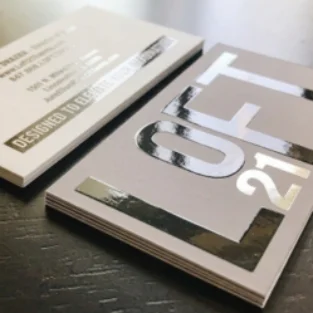
It is a popular choice for upscale product packaging and branding. This technique adds a reflective silver foil effect, which highlights important details and gives the packaging a sophisticated and eye-catching look.
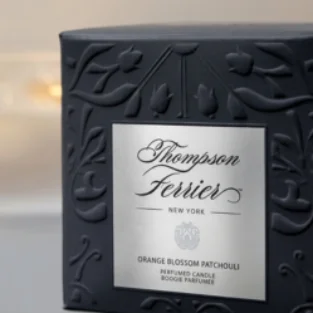
It is commonly used by brands looking to create a premium and tactile packaging experience. This technique raises selected design elements above the surface, which adds depth, texture, and a distinctive visual appeal to the packaging.


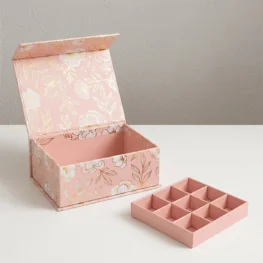

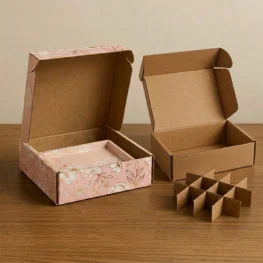

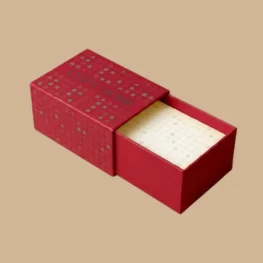

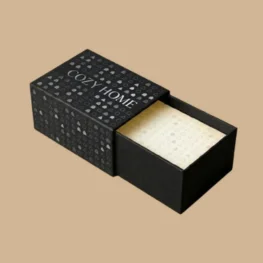

It’s not the finished print. It’s not the logo approval. It’s the moment someone picks up a product, finds the sleeve, and slides it open. That smooth, deliberate motion the way the inner box reveals itself does something to a person’s perception of the product inside. It makes ordinary feel considered. It makes standard feel premium.
I’ve seen it happen in retail audits, in focus groups, and honestly, just watching strangers browse tobacco shelves in convenience stores. The sleeve changes the experience. And in a category as competitive and regulated as tobacco retail, experience is often the only differentiator a brand actually controls.
Custom E Cigarette sleeve boxes have become one of the most quietly effective packaging formats in the tobacco industry not because they’re flashy, but because they work. They protect the product, elevate the presentation, and give brands a canvas that standard flip-top boxes simply don’t offer.
Companies like One Custom Boxes have built genuine expertise around this format, helping tobacco brands translate their identity into sleeve packaging that performs consistently across retail and premium market segments.
Cigarette sleeve boxes are a two-part packaging format consisting of an inner tray or box that slides in and out of an outer sleeve. They combine structural protection with strong visual branding, offering tobacco companies a premium, shelf-ready packaging solution available in cardboard, kraft, and rigid materials with full custom printing and finish options.
But here’s what that definition doesn’t capture: the psychology of the slide.
When someone pulls a cigarette sleeve box off a shelf, the outer sleeve is doing the brand work colors, logo, typography, finish. When they slide it open, the inner tray does the product work holding the cigarettes securely, presenting them cleanly, reinforcing the quality signal. It’s a two-act performance that standard packaging simply doesn’t have the structure to deliver.
In practical terms, here’s what distinguishes custom cigarette sleeve boxes from generic formats:
The difference between a Custom cardboard pack and a well-executed branded cigarette sleeve box isn’t subtle. It’s the difference between a product that sits on the shelf and one that speaks from it.
I want to tell you about a tobacco brand I watched go through a packaging overhaul a few years back.
They made a mid-range product decent quality, fair price point, loyal but limited customer base. Their existing packaging was functional. Standard flip-top, printed label, nothing offensive, nothing memorable. Sales were flat. Distribution was fine. The product wasn’t the problem.
Their packaging team made one significant change: they moved to a printed cigarette sleeve box with a matte black outer sleeve, a debossed logo, and a simple cream-colored inner tray. The product inside didn’t change. The price point didn’t change. The retail placement didn’t change.
Over the following two quarters, repeat purchase rates climbed noticeably. Retailers started requesting better shelf positioning because the product now looked like it deserved better positioning. Customer reviews unprompted began mentioning the packaging.
The Data Behind the Instinct
This isn’t just anecdotal. A 2023 Ipsos consumer behavior study found that 72% of purchasing decisions at the point of sale are influenced by packaging design. The Paper and Packaging Board’s research found that 67% of consumers associate packaging quality directly with product quality.
In tobacco retail specifically where the product itself can’t be freely sampled or demonstrated packaging isn’t just marketing support. It’s the primary communication channel between brand and consumer.
In real-world retail environments, tobacco products compete in some of the most visually saturated shelf space in any store. Dozens of brands, dozens of formats, all fighting for three to five seconds of passive consumer attention.
Cigarette packaging sleeves with strong visual structure bold color blocking, tactile surface finishes, clean typography create what visual merchandising experts call a “figure-ground contrast.” They stand out against the visual noise around them. That contrast is what gets a product noticed.
Branding specialists often recommend sleeve formats specifically for this reason: the outer sleeve gives you a large, uninterrupted surface for brand communication that wrap-around labels and standard box formats simply can’t match.
Luxury cigarette sleeve boxes with embossed logos or foil-stamped brand marks consistently photograph better for retail listings and brand catalogues which matters increasingly as tobacco retail moves toward online and click-and-collect channels.
From a branding perspective, premium cigarette packaging doesn’t always mean a dramatically higher production cost. The perception of premium often comes from specific design choices a matte finish instead of glossy, debossed text instead of flat print, a well-proportioned sleeve that fits the inner tray with satisfying snugness.
Packaging experts suggest these tactile and visual details register at a near-subconscious level. The consumer doesn’t always articulate why one product feels more trustworthy than another. They just reach for it.
Not every tobacco brand needs the same sleeve format. A budget convenience store product has completely different needs from a premium line sold in specialty tobacco shops. Here’s how the main options actually perform in real applications:
Standard cardboard remains the workhorse of retail cigarette packaging. It’s cost-effective at volume, prints cleanly in full color, and handles standard retail conditions without issues. For mass-market brands managing tight margins, cardboard box sleeves offer the best balance of visual impact and production efficiency.
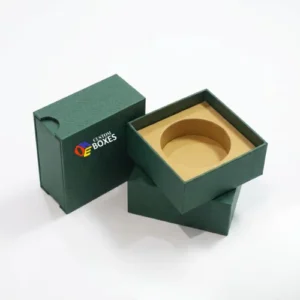
Rigid chipboard sleeves are the format you choose when the product needs to feel like a possession, not just a purchase. The weight, the resistance, the way the inner tray moves everything communicates quality. Rigid cigarette sleeve boxes work particularly well for premium or limited-edition lines where the packaging is part of the product proposition.
I’ve seen brands use rigid sleeve packaging specifically for gift market positioning holiday editions, collector formats, brand anniversaries. The structure justifies a premium price point in a way that standard cardboard genuinely cannot.
Eco-friendly cigarette packaging made from kraft or recycled materials is growing faster than most tobacco companies anticipated. Nielsen’s Global Sustainability Report found that 73% of global consumers are willing to adjust purchasing habits based on environmental impact and that preference spans demographics far more broadly than the “green consumer” stereotype suggests.
Kraft sleeves communicate authenticity, sustainability, and a kind of honest minimalism that resonates with specific consumer segments. They also photograph beautifully in natural light, which matters for brand social content.
Sustainability Note: Eco-friendly cigarette sleeve boxes made from recycled or FSC-certified materials support modern sustainability goals while appealing to environmentally conscious consumers a segment that’s growing across all retail categories, including tobacco.
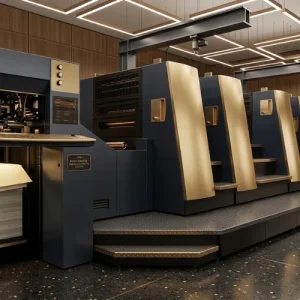
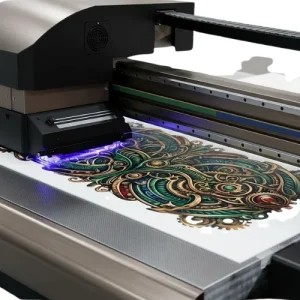
Sometimes the packaging strategy is primarily visual rather than structural. Printed cigarette sleeve boxes with full-color brand artwork, pattern work, or photorealistic imagery can transform a standard sleeve format into something genuinely distinctive. High-quality offset printing has made complex, detailed artwork accessible at production volumes that work for mid-sized brands.
Luxury cigarette sleeve boxes combine premium materials with premium finishing rigid construction, magnetic-assisted inner tray, foil stamping, spot UV, and custom inserts. These formats are typically reserved for flagship products, limited editions, and gifting lines where the box itself carries brand story as much as the product does.
Surface finish is where sleeve packaging shifts from good to memorable:
I’ve worked through this decision with packaging buyers at various points in their brand journey, and the same questions consistently determine whether the final choice actually serves the brand or just satisfies the brief.
Build sustainability in from the beginning. Retrofitting eco-friendly materials into an existing packaging program is consistently more expensive and more complicated than designing for sustainability from the start. The consumer preference trend only moves in one direction.
The tobacco shelf is one of the most competitive retail environments in the world. Products are similar. Prices are regulated. Placement is controlled. In a category with that many constraints, packaging isn’t just part of the brand strategy for many tobacco companies, it is the brand strategy.
Cigarette sleeve boxes give brands something genuinely valuable in that context: a format that protects the product, commands shelf presence, and creates a consumer interaction that goes beyond the transaction. The slide, the reveal, the tactile finish these details do real commercial work, and the brands that invest in them consistently outperform those that treat packaging as a pure cost decision.
Looking for a trusted packaging supplier in the USA? So, you are at the right company. One Custom Boxes doesn’t charge any hidden charges or die-cut charges. We provide our customers with quality cigarette sleeve boxes bulk. We use the latest printing techniques to create the premium appearance of empty cigarette boxes. One Custom Boxes works specifically with brands navigating these decisions matching sleeve formats, materials, and finishes to actual brand goals rather than offering generic solutions that fit no one particularly well.
You will enjoy One Custom Boxes hassle-free packaging services. To book beautiful blank cigarette boxes, email us. You will receive your order at your doorstep. If you need clarification regarding packaging, contact us. Our team will provide unique ideas.
The best material depends on your brand positioning and budget. Rigid chipboard is ideal for luxury wig packaging because it’s durable and premium in feel. Standard cardboard wig boxes work well for retail and everyday use they’re lightweight and easily customizable. For eco-conscious brands, kraft paper offers excellent eco-friendly wig box options that resonate with sustainability-minded customers. The key is to match the material to your customer’s expectations and the shipping demands of your product.
Yes, many custom wig boxes are made from sustainable packaging solutions, including recycled cardboard, FSC-certified paper, and soy-based inks. When working with a packaging provider, simply request eco-friendly wig boxes. The environmental footprint of your hair product packaging is increasingly important to consumers, and choosing recyclable or biodegradable materials can actually strengthen your brand image.
Custom-printed wig boxes give you complete control over how your brand looks at the point of sale. Your logo, color palette, typography, and visual story all appear on the box making it a walking advertisement for your brand. In real-world retail, branded hair packaging increases recognition and builds trust. Online, it creates the kind of polished product display packaging that encourages customers to share unboxing experiences, driving organic social media visibility.
In most cases, yes. Wigs are delicate and can shift, tangle, or lose shape during transit or storage. Custom inserts foam, cardboard, or fabric hold the wig securely in place inside the box and help maintain its original form. For premium hair extension packaging especially, inserts are a strong signal of quality and care that customers notice immediately upon opening.
Minimum order quantities (MOQs) vary depending on the type of custom wig box, the printing method, and the supplier. For standard cardboard wig boxes with digital printing, MOQs can be as low as 50–100 units. Wholesale wig boxes with offset printing usually start from 500 units and above. Rigid boxes and luxury wig packaging tend to have slightly higher MOQs due to the production process involved. It’s always worth discussing your volume needs upfront to find the most cost-effective option for your business.