Boost Your Brand with our Custom Packaging!
When you are ready to order custom cardboard cigarette boxes, the conversation you have with potential suppliers determines most of your outcome. Here are the questions that reveal supplier quality based on mistakes I have watched brands make repeatedly, and a few I made myself early on.
One Custom Boxes have built reputations specifically on understanding tobacco packaging requirements regulatory compliance, material durability, CMYK printing consistency across runs, and the kind of honest specification guidance that prevents expensive mistakes. That specialized knowledge matters more than generalist packaging experience when your product has the specific handling, regulatory, and retail requirements that cigarette packaging carries.

Get Your Custom Boxes Designed in Your Desired Shape, Size and Style

Get Your Custom Boxes Designed in Your Desired Shape, Size and Style

Get Your Custom Boxes Designed in Your Desired Shape, Size and Style
| Dimensions | All Custom Sizes & Shapes |
|---|---|
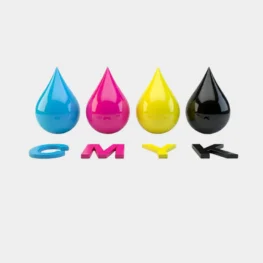
| Printing | CMYK, PMS, No Printing |
| Paper Stock | 10pt to 28pt (60lb to 400lb) Eco-Friendly Kraft, E-flute Corrugated, Bux Board, Cardstock |
| Quantities | 100 - 500,000 |
| Coating | Gloss, Matte, Spot UV |
| Default Process | Die Cutting, Gluing, Scoring, Perforation |
| Options | Custom Window Cut Out, Gold/Silver Foiling, Embossing, Raised Ink, PVC Sheet |
| Proof | Flat View, 3D Mock-up, Physical Sampling (On request) |
| Turn Around Time | 4–6 Business Days, Rush |
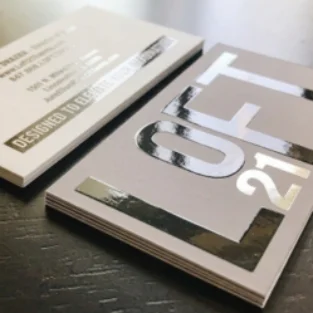
It is a popular choice for luxury and high-end product packaging. This coating delivers a silky, soft-touch texture, which adds a refined appearance and leaves a lasting impression of quality and exclusivity

It is a popular choice for luxury packaging and corporate branding. This finishing method presses the design into the material, which creates an elegant dimensional effect and gives the packaging a refined, professional look.
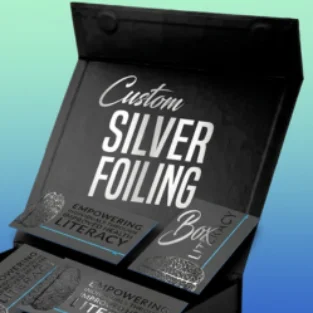
It is a popular choice for upscale product packaging and branding. This technique adds a reflective silver foil effect, which highlights important details and gives the packaging a sophisticated and eye-catching look.
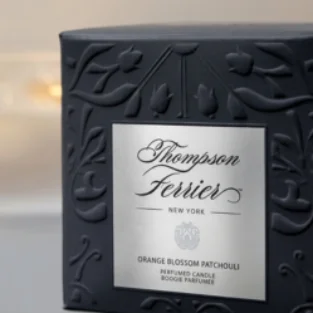
It is commonly used by brands looking to create a premium and tactile packaging experience. This technique raises selected design elements above the surface, which adds depth, texture, and a distinctive visual appeal to the packaging.




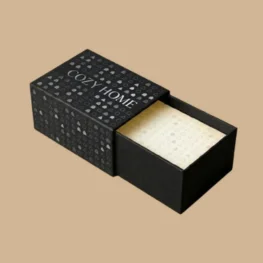
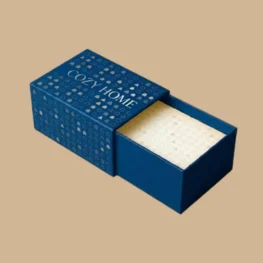
Most people misunderstand cardboard cigarette boxes in one of two directions. They either assume all cardboard is cheap commodity packaging and then overspend on alternatives they do not actually need or they settle for genuinely inferior cardboard that quietly damages their brand every day on the shelf. As of Q4 2026, I am seeing more brands make this mistake than ever, partly because the market has more supplier options and more confusing specifications than it did five years ago.
After working with tobacco brands across value, mid-market, and premium segments, the pattern is consistent: the companies winning in competitive retail are not using exotic materials or revolutionary structures. They are using quality custom cardboard cigarette boxes smartly choosing the right weight, applying appropriate coatings, and understanding that cardboard can compete with any packaging type when executed properly. That is exactly what we will cover here.
When someone says cardboard boxes, most people picture cheap commodity packaging. That perception is costing brands money in both directions either they overspend on alternatives, or they settle for genuinely inferior cardboard. Neither is necessary.
Cardboard cigarette boxes are tobacco packaging solutions made from paperboard materials, typically ranging from 250–400gsm in weight. They offer excellent printability, CMYK printing accuracy, and protection when properly specified all at price points that make premium packaging accessible to brands of every size. The key variables are board weight, coating type, and finishing treatment not the material category itself.
Cardboard handles CMYK printing better than almost anything else. The surface accepts ink beautifully, colors reproduce accurately, and fine details stay sharp. I have compared identical designs printed on cardboard versus other materials cardboard consistently delivers better visual results for full-color graphics, particularly on detailed illustrations and small text.
Customization is faster and cheaper. Want to test three design variations? Easy with cardboard. Need to update graphics for a regional promotion or a regulatory compliance change? Quick turnaround. Try doing that with molded plastic or specialty materials the tooling costs and lead times make it impractical for anything but the largest brands.
Sustainability is increasingly a purchasing factor. According to the 2023 Smithers Packaging Industry Report, 41% of consumer goods buyers under 40 cite sustainable packaging as a purchasing consideration. Recyclable cardboard cigarette boxes made from FSC-certified sustainable sources give you something plastic and foil alternatives simply cannot match environmental credibility that resonates with specific demographics and is becoming more relevant every year.
Board weight is where most conversations start and where most brands make their first mistake. Here is what actually happens with different board weights in real-world distribution and retail conditions, not just in a supplier’s spec sheet.
250–280gsm stock is where budget brands live. It works barely. These boxes survive distribution if everything goes perfectly. But retail handling is rarely perfect. One rough restocking session and your packaging looks tired. I have watched a convenience store manager apologize to a sales rep about the state of a competing brand’s shelving and the boxes were only six weeks old. That said, if you are targeting pure value positioning and distribution is tightly controlled, this weight can work with the right coating.
300–340gsm stock is the sweet spot for most brands. Enough structure to survive normal handling, a substantial feel in the hand, and it takes printing beautifully. I recommend this range to roughly 70% of clients I work with. It is where cost-efficiency meets quality perception and it is the specification I wish the Nevada distributor had used.
360–400gsm stock is premium territory. These boxes feel expensive because they are relatively. But here is where the math gets interesting: the actual cost difference from mid-weight stock is often just $0.08–$0.12 per box. The perceived value increase, however, can justify $0.40–$0.60 higher retail pricing in the right market. The math works if your brand positioning supports it. If it does not, you are just adding cost without a return.
Board weight alone does not determine packaging quality. I have seen beautifully executed 300gsm boxes outperform poorly finished 380gsm packaging in blind shelf tests repeatedly. The coating, printing consistency, and structural engineering matter just as much as the base material. Do not just specify weight. Specify the complete package, or you are only solving half the problem.
This is where most brands make their second mistake they focus entirely on board stock and treat coatings as an afterthought. The coating often matters more than the base material for shelf performance, brand perception, and longevity. Choosing the wrong coating on good board stock is like buying a premium suit and leaving it unwashed for three months.
If your brand relies on vibrant, eye-catching graphics, gloss delivers. It is also the most cost-effective coating sometimes adding only $0.02–$0.03 per box to production costs. The downside is consistent and measurable: fingerprints show instantly, scratches are visible, and the packaging looks worn quickly in retail environments. I have tracked gloss-coated boxes through a four-week retail cycle by week three, corner wear is visible on most units.
Every focus group I have been part of reacts to matte-finished packaging as more premium than gloss even when everything else is identical. Matte hides handling marks better, feels more upscale to the touch, and ages more gracefully. The cost premium is real but modest: usually $0.04–$0.06 per box. For most mid-market to premium brands, this is the single best cost-to-impact investment available in cigarette packaging.
This is the finish I recommend when brands want to maximize perceived luxury without exotic materials. It feels almost velvety. One client reported that 23% of customer feedback specifically mentioned how good the box feels unprompted. The coating adds roughly $0.08–$0.10 per box over basic gloss, but it creates differentiation that graphics alone cannot achieve.
Spot UV : adds glossy highlights to specific design elements on matte backgrounds. I have watched this technique catch light in retail displays and draw attention effectively. Cost impact is moderate about $0.05–$0.07 per box and it works beautifully on quality cardboard. On a $7 retail pack, that is less than 1% of revenue. The shelf impact is disproportionate.
Foil stamping: gold, silver, copper adds luxury signals that justify premium pricing. Selective foil use creates sophistication without looking gaudy. The key is restraint: a small foil accent consistently outperforms large foil areas in consumer testing. I have seen brands ruin expensive foil work by applying it too broadly.
Embossing and debossing: leverage cardboard’s natural workability. The material accepts dimensional effects well, creating tactile branding that plastic packaging simply cannot match. One brand I worked with embossed only their logo that single element became their signature identifier in blind touch tests. Customers recognized the brand by feel before they saw it.
| Board Specification | Best Application | Real-World Durability | Brand Positioning | Recommended For |
|---|---|---|---|---|
| 250–280gsm + Basic Coating | Value brands, maximum volume | Adequate with careful handling | Budget-conscious market | Controlled distribution only |
| 300–320gsm + Gloss UV | Mainstream brands, retail focus | Good for normal retail conditions | Mid-market standard | High-volume consumer brands |
| 320–350gsm + Matte Lamination Recommended | Premium brands moving upmarket | Excellent shelf life and appearance | Upper mid-market to premium | Most tobacco brands |
| 360–400gsm + Soft-Touch | Luxury positioning, differentiation | Superior durability and feel | Premium to luxury segments | Flagship SKUs, gift packs |
| 350gsm + Matte + Foil/Emboss | Maximum impact within cardboard | Excellent with memorable tactile experience | Competitive premium markets | Brand relaunch, limited editions |
A regional cigarette manufacturer came to us wanting to move upmarket with their packaging. They assumed that meant abandoning cardboard for rigid boxes or specialty materials which would have tripled their per-unit packaging cost. Instead, we upgraded from basic 280gsm cardboard to premium 350gsm stock with matte lamination and embossed logos.
The question I get weekly: should we order cardboard cigarette boxes wholesale in massive quantities? My answer is not yes or no it is “it depends on two things: how stable your brand design is, and whether you have actually done the full cost calculation.”
Every packaging conversation now includes sustainability questions, and a lot of what gets said is either greenwashing or reflexive dismissal. Here is what I have actually observed working with brands trying to balance environmental responsibility with business reality.
Cardboard inherently offers sustainability advantages. It is recyclable in most municipal systems, biodegradable if it ends up in landfills, and widely available from sustainable forestry sources particularly from FSC-certified board suppliers. That is legitimate, not greenwashing, assuming you are actually using certified materials and minimizing non-recyclable coatings.
Recycled content cardboard performs well for tobacco packaging. I have tested boxes made from 80–100% post-consumer recycled paperboard extensively. Print quality is slightly different you get more natural fiber texture, colors can be marginally less vibrant under certain lighting but most consumers perceive this as authentically sustainable rather than inferior. Several brands I work with charge premium prices specifically because their eco-friendly cardboard cigarette boxes appeal to environmentally conscious buyers. The authenticity of the positioning matters more than any print quality difference.
The coating choice is where recyclability actually lives or dies. Plastic lamination (BOPP) creates recycling challenges that undermine your entire sustainability story. Water-based or soy-based coatings maintain recyclability without meaningful performance sacrifice for tobacco packaging applications. This is one area where doing the right thing does not cost significantly more and the environmental narrative it enables is worth far more than the cost difference.
When you are ready to order custom cardboard cigarette boxes, the conversation you have with potential suppliers determines most of your outcome. Here are the questions that reveal supplier quality based on mistakes I have watched brands make repeatedly, and a few I made myself early on. Companies like One Custom Boxes have built reputations specifically on understanding tobacco packaging requirements regulatory compliance, material durability, CMYK printing consistency across runs, and the kind of honest specification guidance that prevents expensive mistakes. That specialized knowledge matters more than generalist packaging experience when your product has the specific handling, regulatory, and retail requirements that cigarette packaging carries.
After years of working with tobacco brands and testing more packaging specifications than I can count, here is what I know without reservation: cardboard cigarette boxes can compete with any packaging type when you choose the right specifications and execute properly. The brands struggling with cardboard are not failing because of the material. They are failing because they are under-specifying, over-compromising on coatings, or making wholesale decisions without accounting for the full cost picture.
You will get the opportunity to take advantage of our wholesale offers. If you are looking for appealing plus attention-seeking packaging that will take sales to another level, contact one custom boxes immediately. We also offer free delivery to your door.
The best material depends on your brand positioning and budget. Rigid chipboard is ideal for luxury wig packaging because it’s durable and premium in feel. Standard cardboard wig boxes work well for retail and everyday use they’re lightweight and easily customizable. For eco-conscious brands, kraft paper offers excellent eco-friendly wig box options that resonate with sustainability-minded customers. The key is to match the material to your customer’s expectations and the shipping demands of your product.
Yes, many custom wig boxes are made from sustainable packaging solutions, including recycled cardboard, FSC-certified paper, and soy-based inks. When working with a packaging provider, simply request eco-friendly wig boxes. The environmental footprint of your hair product packaging is increasingly important to consumers, and choosing recyclable or biodegradable materials can actually strengthen your brand image.
Custom-printed wig boxes give you complete control over how your brand looks at the point of sale. Your logo, color palette, typography, and visual story all appear on the box making it a walking advertisement for your brand. In real-world retail, branded hair packaging increases recognition and builds trust. Online, it creates the kind of polished product display packaging that encourages customers to share unboxing experiences, driving organic social media visibility.
In most cases, yes. Wigs are delicate and can shift, tangle, or lose shape during transit or storage. Custom inserts foam, cardboard, or fabric hold the wig securely in place inside the box and help maintain its original form. For premium hair extension packaging especially, inserts are a strong signal of quality and care that customers notice immediately upon opening.
Minimum order quantities (MOQs) vary depending on the type of custom wig box, the printing method, and the supplier. For standard cardboard wig boxes with digital printing, MOQs can be as low as 50–100 units. Wholesale wig boxes with offset printing usually start from 500 units and above. Rigid boxes and luxury wig packaging tend to have slightly higher MOQs due to the production process involved. It’s always worth discussing your volume needs upfront to find the most cost-effective option for your business.