Boost Your Brand with our Custom Packaging!
Custom burger boxes are purpose-designed food packaging solutions built to hold, protect, and present burgers during dine-in service, takeaway, and delivery. They maintain food temperature, allow steam venting to prevent sogginess, and provide a full branding surface for restaurant identity. Available in cardboard, kraft, and corrugated materials with custom printing, grease-resistant coatings, and eco-friendly options across multiple structural styles.

Get Your Custom Boxes Designed in Your Desired Shape, Size and Style

Get Your Custom Boxes Designed in Your Desired Shape, Size and Style

Get Your Custom Boxes Designed in Your Desired Shape, Size and Style
| Dimensions | All Custom Sizes & Shapes |
|---|---|
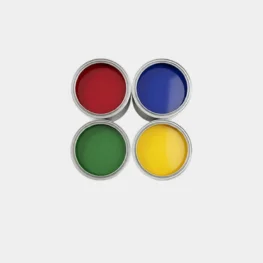
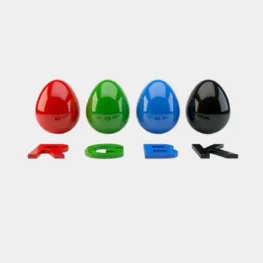
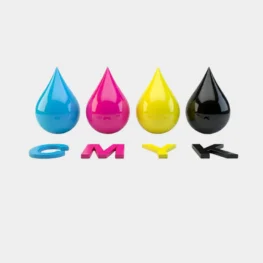
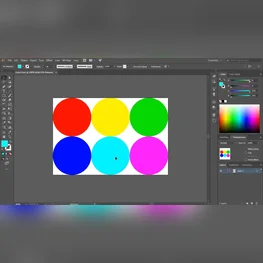
| Printing | CMYK, PMS, No Printing |
| Paper Stock | 10pt to 28pt (60lb to 400lb) Eco-Friendly Kraft, E-flute Corrugated, Bux Board, Cardstock |
| Quantities | 100 - 500,000 |
| Coating | Gloss, Matte, Spot UV |
| Default Process | Die Cutting, Gluing, Scoring, Perforation |
| Options | Custom Window Cut Out, Gold/Silver Foiling, Embossing, Raised Ink, PVC Sheet |
| Proof | Flat View, 3D Mock-up, Physical Sampling (On request) |
| Turn Around Time | 4–6 Business Days, Rush |
It is a popular choice for luxury and high-end product packaging. This coating delivers a silky, soft-touch texture, which adds a refined appearance and leaves a lasting impression of quality and exclusivity
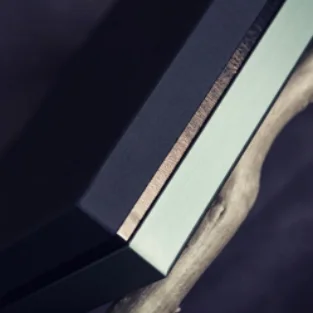
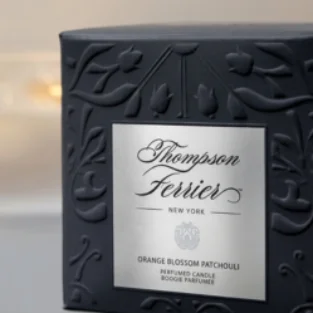
It is a popular choice for luxury packaging and corporate branding. This finishing method presses the design into the material, which creates an elegant dimensional effect and gives the packaging a refined, professional look.
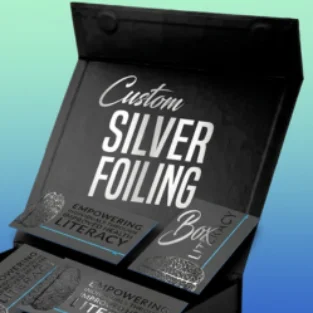
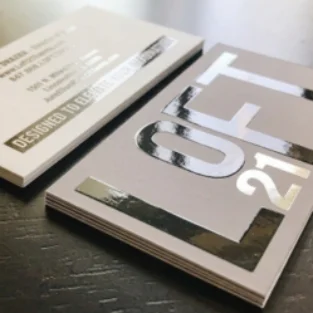
It is a popular choice for upscale product packaging and branding. This technique adds a reflective silver foil effect, which highlights important details and gives the packaging a sophisticated and eye-catching look.
It is commonly used by brands looking to create a premium and tactile packaging experience. This technique raises selected design elements above the surface, which adds depth, texture, and a distinctive visual appeal to the packaging.
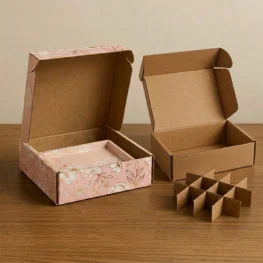

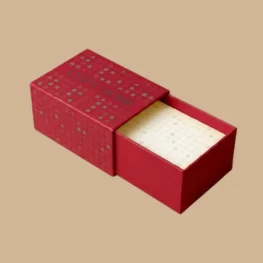
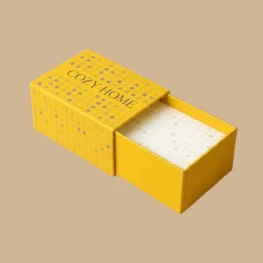
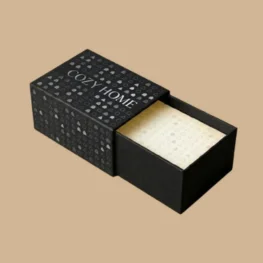
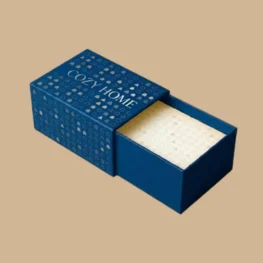
There’s a moment in every great burger experience that happens before the food reaches your mouth. You pick up the box. Maybe it’s warm in your hands. Maybe the logo catches your eye. Maybe the box has a smell that specific combination of grilled meat and seasoning that escapes from well-vented packaging and makes the anticipation almost unbearable. You open it. And the burger is sitting there exactly as it should be not collapsed, not steamed into a soggy mess, not tilted sideways from a loose fit.
That experience from the moment you pick up the box to the moment you take the first bite is what custom burger boxes are actually designed to create. Not just to hold a burger. To hold it correctly. To keep it hot without making it wet. To present it in a way that reinforces everything the restaurant brand has worked to communicate quality, care, identity, experience. To make a takeaway meal feel like it was meant to travel.
In today’s food service market, where delivery platforms have turned packaging into a front-of-house experience that happens in someone’s living room, the burger box has become one of the most brand-critical decisions a restaurant makes. Providers like One Custom Boxes understand that a burger box is never just a box it’s the last touchpoint between the kitchen and the customer’s first impression.
Custom burger boxes are purpose-designed food packaging solutions built to hold, protect, and present burgers during dine-in service, takeaway, and delivery. They maintain food temperature, allow steam venting to prevent sogginess, and provide a full branding surface for restaurant identity. Available in cardboard, kraft, and corrugated materials with custom printing, grease-resistant coatings, and eco-friendly options across multiple structural styles.
That definition covers the functional basics. But it doesn’t capture the commercial argument for investing in packaging that does more than the minimum.
A generic white burger box keeps the burger contained. That’s the floor. A custom burger box keeps the burger contained, keeps it at the right temperature, manages steam intelligently, presents the brand consistently, and creates a customer experience that feels considered not accidental.
Here’s what separates custom from generic in food packaging terms:
The difference between a burger box designed for a specific product and one adapted from a generic template shows up immediately in how the burger looks when the customer opens it, in how long it stays hot, and in how confidently the packaging carries the brand story from kitchen to table.
Let me tell you about something that happened to a burger restaurant concept I watched go through their first major delivery push. They had spent serious money on their brand. Custom logo. Thoughtful interior design. Staff uniforms with embroidered brand marks. Social media content that was genuinely compelling. The dine-in experience was exceptional customers left talking about it.
Then delivery launched. And within three weeks, the negative reviews started appearing. Not about the food the food was consistently excellent. About the packaging. “Burger arrived soggy.” “Box was falling apart by the time it got to me.” “Looked nothing like the photos.” “Grease everywhere.”
They were using generic white clamshell boxes ordered from a restaurant supply catalogue. The boxes didn’t vent properly. The material wasn’t grease-resistant enough for the fat content in their burger builds. The box size was slightly too large, so the burger shifted during transit and arrived looking like it had survived an accident.
The food was the same quality being served in the restaurant that customers were praising on Google. The packaging had undone every bit of that quality by the time it arrived at the customer’s door. They switched to custom printed burger boxes sized precisely for their burger builds, with a vented clamshell design, grease-resistant lining, and their brand printed directly on the exterior. The delivery reviews changed within a month. Not because the food got better. Because the packaging finally let the food be what it was.
Before delivery platforms dominated food service, a restaurant’s packaging only needed to get the food from the kitchen to the table in the same building. The standards were lower because the journey was shorter. Now, that food travels on a motorbike for twenty minutes. It sits in a delivery bag. It gets carried up three flights of stairs. It gets set on a kitchen counter and photographed before it’s eaten. And every stage of that journey is an opportunity for the packaging to either protect the food and present the brand or fail at both.
Industry data shows that food delivery orders with negative packaging experiences generate significantly lower repeat order rates than orders where the food arrived in good condition and good presentation. The customer doesn’t always distinguish between “the food was bad” and “the food arrived in bad condition because of the packaging.” To them, the experience was bad and the restaurant is responsible for the whole experience, packaging included.
Food service packaging consultants consistently find that restaurants investing in purpose-designed delivery packaging see measurable improvements in delivery platform ratings within 60–90 days of switching not because the food changed, but because the food started arriving the way it was intended to be experienced.
Here’s something that would have seemed absurd to a restaurant owner in 2005 and is now completely normal: customers photograph their burger boxes before they open them. A well-designed branded burger box with a strong visual identity, clean typography, and bold color use gets photographed. It gets shared. It appears in delivery unboxing content.
It shows up on food blogs and Instagram accounts that reach audiences the restaurant’s own marketing budget could never access efficiently. Generic white packaging doesn’t get photographed. Or when it does, the restaurant isn’t in the picture there’s nothing to see, nothing to tag, nothing to share.
Custom burger packaging with genuine visual personality is doing marketing work every time a customer shares their meal. That organic reach compounds over time into brand recognition that paid advertising can’t replicate at equivalent cost.
Custom burger boxes with strong brand visual identity generate social media sharing that reaches potential new customers at zero additional marketing cost turning every delivery into a brand awareness opportunity that generic packaging never creates.
Burger packaging has more format diversity than most restaurant operators realize when they first approach the decision. The right format depends on the burger style, the service model, the brand positioning, and the primary sales channel.
The dominant format in burger packaging for good reason. The hinged clamshell keeps the burger fully enclosed while allowing the lid to open flat creating a natural presentation surface when the customer opens the box. Custom clamshell burger boxes with strategic vent holes in the top panel manage steam release intelligently, keeping the bun from becoming soggy while maintaining food temperature.
For dine-in service, the clamshell format presents the burger cleanly without requiring the customer to navigate complex opening mechanisms. For delivery, it provides the structural containment that keeps the burger in position through transit.
Tuck-end formats offer maximum branding surface across all four sides of the box making them the preferred format for brands where visual identity is the primary packaging priority. Printed tuck-end burger boxes with full-color exterior artwork and food-safe inner lining deliver strong retail and takeaway counter presence while maintaining the structural reliability that burger weight and grease content require.
Paper wrap formats where the burger is wrapped rather than boxed suit fast casual and street food concepts where speed of service and minimal packaging are brand values. Custom burger wrap packaging with printed brand identity communicates the same careful design thinking as a full box while maintaining the informal, accessible quality that wrap presentation naturally suggests.
Die-cut windows in the box lid or front panel let customers see the burger before opening creating purchase anticipation and visual product confidence at the counter. Window burger boxes work particularly well for gourmet and premium burger concepts where the burger’s visual build is itself a selling argument.
Kraft burger boxes communicate natural ingredients, sustainable values, and artisan quality before the customer reads a single word. The uncoated brown texture has become closely associated with the better-burger and farm-to-table positioning that premium burger concepts use to differentiate from fast food. Kraft packaging also photographs warmly and authentically which matters for brands building their identity through food photography and social content.
Eco-friendly burger packaging made from recycled cardboard, FSC-certified board, and compostable or biodegradable materials is now available across all burger box structural formats. Consumer awareness of food service packaging waste has grown significantly and restaurant brands that communicate genuine sustainability commitments through their packaging choices are seeing that commitment reflected in customer loyalty and media coverage.
Sustainability Note: Eco-friendly burger boxes made from recycled or compostable materials are available across all structural formats with full custom printing letting brands communicate sustainability values without compromising on brand presentation or food performance.
Burger box customization operates within specific constraints that other packaging categories don’t face food safety, grease resistance, thermal performance but within those constraints, the design range is genuinely wide.
| Feature | What It Delivers | Best Application |
|---|---|---|
| Full-color exterior printing | Complete brand identity on all visible surfaces | All restaurant and delivery concepts |
| Food-safe grease-resistant lining | Prevents oil seepage and structural collapse | All burger builds, especially high-fat smash burgers |
| Steam vent perforations | Manages moisture without heat loss | Delivery and longer transit applications |
| Matte exterior finish | Premium tactile quality and photography performance | Gourmet and premium burger concepts |
| Gloss exterior finish | Color vibrancy under counter and retail lighting | Fast casual and high-visibility counter placement |
| Spot UV logo treatment | Visual brand emphasis and premium feel | Premium and branded burger restaurant groups |
| Embossed brand marks | Tactile brand identity that communicates quality | Premium and luxury burger concepts |
| Die-cut window patches | Product visibility and purchase anticipation | Gourmet burgers with strong visual build |
| QR code integration | Menu access, loyalty programs, social connections | DTC delivery brands and restaurant groups |
| Stackable flat-pack design | Storage efficiency for high-volume operations | All restaurant formats |
| Compostable/biodegradable materials | Sustainability credentials and reduced waste | Eco-conscious restaurant brands |
Tip: Adding a QR code to custom burger packaging costs almost nothing in production terms but creates a direct digital connection between the physical packaging experience and online brand touchpoints loyalty programs, social accounts, review platforms, and menu discovery.
The burger box decision involves more variables than most restaurant operators initially account for. Here’s the practical framework that matters:
Build sustainability into the specification from the start. The food service packaging waste conversation is accelerating across every market. Eco-friendly burger packaging from recycled or compostable materials is available at competitive pricing at volume and the brand equity that genuine sustainability commitment builds compounds over time in ways that the per-unit cost difference rarely accounts for.
The burger is one of the most universally loved foods on the planet. It’s also one of the most packaging-dependent because a great burger in bad packaging arrives as a disappointing burger. And a disappointing burger doesn’t get reordered, doesn’t get shared, and doesn’t become the kind of customer relationship that a restaurant business is actually built on.
Custom burger boxes solve the problem that generic packaging creates keeping the burger hot, intact, and exactly as it left the kitchen, while communicating the brand identity that turns a food transaction into a brand experience. From the steam management that keeps the bun from going soggy, to the grease-resistant lining that keeps the box from collapsing, to the printed exterior that makes the delivery moment feel like part of the restaurant experience rather than an afterthought to it.
The restaurants building real customer loyalty in the delivery era are the ones that understand their packaging as an extension of their kitchen not as a necessary expense between the grill and the customer’s door. They invest in boxes that perform functionally and present the brand consistently, because they know that every delivery is a brand moment that either earns the next order or costs it.
One Custom Boxes works with food service brands at every scale from independent burger restaurants building their first custom packaging program to multi-location groups standardizing presentation across delivery channels to create burger packaging that performs as well as the food inside it deserves.
Burger boxes are made of recyclable material like cardboard, and kraft to maintain the freshness of food.
The best material depends on your brand positioning and budget. Rigid chipboard is ideal for luxury wig packaging because it’s durable and premium in feel. Standard cardboard wig boxes work well for retail and everyday use they’re lightweight and easily customizable. For eco-conscious brands, kraft paper offers excellent eco-friendly wig box options that resonate with sustainability-minded customers. The key is to match the material to your customer’s expectations and the shipping demands of your product.
Yes, many custom wig boxes are made from sustainable packaging solutions, including recycled cardboard, FSC-certified paper, and soy-based inks. When working with a packaging provider, simply request eco-friendly wig boxes. The environmental footprint of your hair product packaging is increasingly important to consumers, and choosing recyclable or biodegradable materials can actually strengthen your brand image.
Custom-printed wig boxes give you complete control over how your brand looks at the point of sale. Your logo, color palette, typography, and visual story all appear on the box making it a walking advertisement for your brand. In real-world retail, branded hair packaging increases recognition and builds trust. Online, it creates the kind of polished product display packaging that encourages customers to share unboxing experiences, driving organic social media visibility.
In most cases, yes. Wigs are delicate and can shift, tangle, or lose shape during transit or storage. Custom inserts foam, cardboard, or fabric hold the wig securely in place inside the box and help maintain its original form. For premium hair extension packaging especially, inserts are a strong signal of quality and care that customers notice immediately upon opening.
Minimum order quantities (MOQs) vary depending on the type of custom wig box, the printing method, and the supplier. For standard cardboard wig boxes with digital printing, MOQs can be as low as 50–100 units. Wholesale wig boxes with offset printing usually start from 500 units and above. Rigid boxes and luxury wig packaging tend to have slightly higher MOQs due to the production process involved. It’s always worth discussing your volume needs upfront to find the most cost-effective option for your business.