Boost Your Brand with our Custom Packaging!
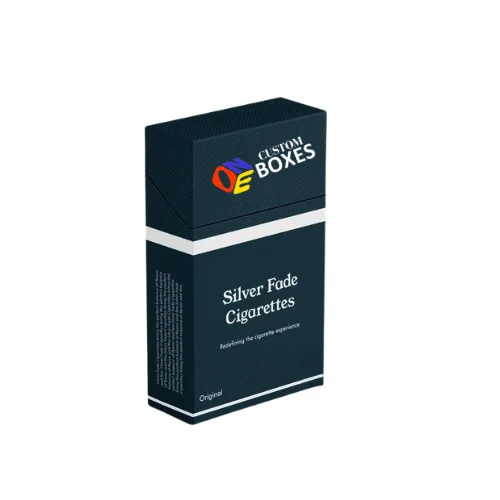
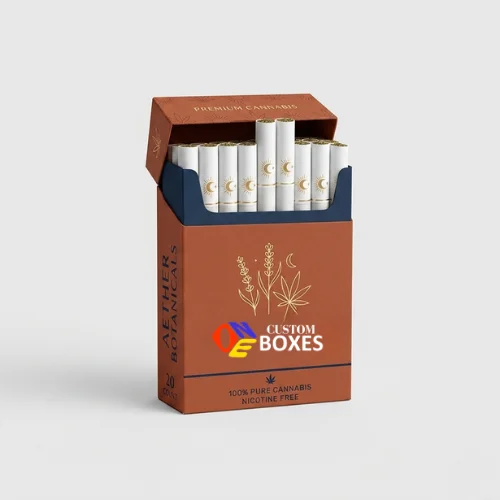
Custom cigarette boxes are specialized packaging solutions designed to protect product integrity, support brand identity, and meet regulatory and retailer requirements. As a B2B packaging supplier, we help brands choose the right structure whether standard tuck-end, rigid setup, or luxury magnetic closure along with materials and printing finishes that match their market positioning.
If you are unsure which style fits your brand, send us your product dimensions and we will recommend two to three options that balance cost, durability, and shelf appeal. No pressure, no obligation just clear guidance from people who understand packaging.

Get Your Custom Boxes Designed in Your Desired Shape, Size and Style

Get Your Custom Boxes Designed in Your Desired Shape, Size and Style

Get Your Custom Boxes Designed in Your Desired Shape, Size and Style
| Dimensions | All Custom Sizes & Shapes |
|---|---|
| Printing | CMYK, PMS, No Printing |
| Paper Stock | 10pt to 28pt (60lb to 400lb) Eco-Friendly Kraft, E-flute Corrugated, Bux Board, Cardstock |
| Quantities | 100 - 500,000 |
| Coating | Gloss, Matte, Spot UV |
| Default Process | Die Cutting, Gluing, Scoring, Perforation |
| Options | Custom Window Cut Out, Gold/Silver Foiling, Embossing, Raised Ink, PVC Sheet |
| Proof | Flat View, 3D Mock-up, Physical Sampling (On request) |
| Turn Around Time | 4–6 Business Days, Rush |
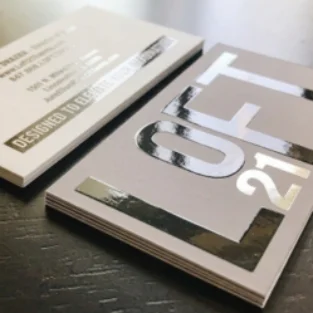
It is a popular choice for luxury and high-end product packaging. This coating delivers a silky, soft-touch texture, which adds a refined appearance and leaves a lasting impression of quality and exclusivity

It is a popular choice for luxury packaging and corporate branding. This finishing method presses the design into the material, which creates an elegant dimensional effect and gives the packaging a refined, professional look.
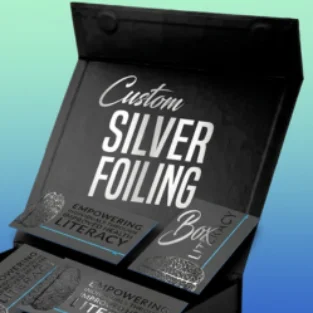
It is a popular choice for upscale product packaging and branding. This technique adds a reflective silver foil effect, which highlights important details and gives the packaging a sophisticated and eye-catching look.
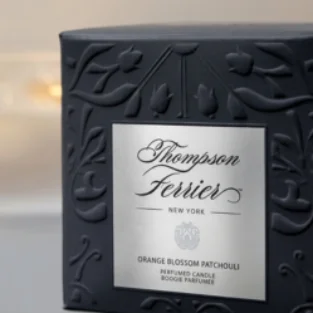
It is commonly used by brands looking to create a premium and tactile packaging experience. This technique raises selected design elements above the surface, which adds depth, texture, and a distinctive visual appeal to the packaging.
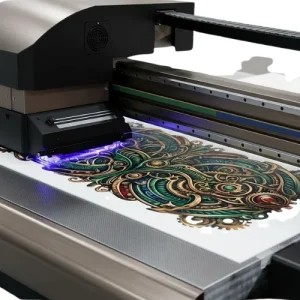
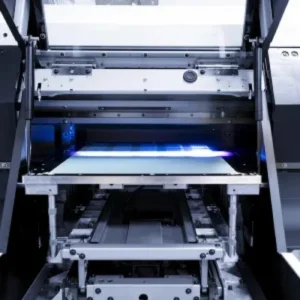

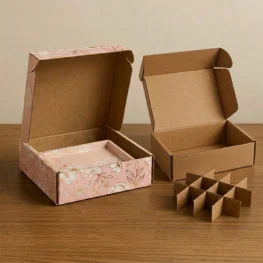

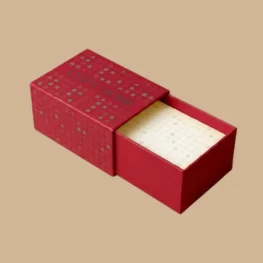
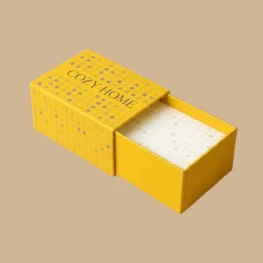
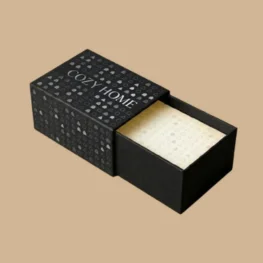
Let’s be honest most people assume a cigarette box is just a box. A rectangle of cardboard with some printing on it. But if you’ve ever stood in front of a retail shelf and watched how quickly a shopper’s eyes land on one product over another, you already know that packaging does a lot of heavy lifting. The box isn’t just a container. It’s the first conversation your brand has with a buyer and in tobacco retail, that conversation happens in a split second.
Custom cigarette boxes are designed to do several things at once: protect the product during transit and storage, communicate brand values through color and texture, meet regulatory requirements in your target market, and encourage repeat purchases by creating a consistent, recognizable look. None of those are small asks, and getting even one of them wrong can cost you shelf space, retailer trust, or repeat buyers.
We’ve worked with brands at every stage from startups testing their first SKU with 500 units, to established labels rebranding across three regional markets. The conversations are different, but the fundamentals are always the same: the right structure, the right material, and the right finish for the right context.
One of the first questions we ask new clients is simple: where will this box end up? The answer to that shapes nearly every other decision.
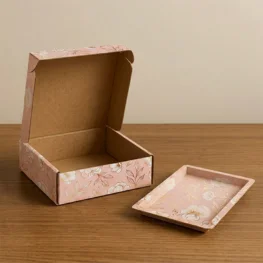
This is the most widely used format in the cigarette packaging industry, and for good reason. Tuck-end boxes are cost-efficient to produce at scale, easy to automate on packing lines, and familiar to consumers. A straight tuck-end has both top and bottom flaps opening in the same direction. A reverse tuck has them opening in opposite directions which adds a small amount of tamper resistance and is often preferred for brands that want a slightly more premium feel without the price jump of a rigid box.
If you’re launching a mid-market product or need high-volume output without a massive per-unit cost, tuck-end is almost always the right starting point. You can still add significant value through print soft-touch matte lamination and spot UV can make a tuck-end box look and feel genuinely luxurious on the shelf.
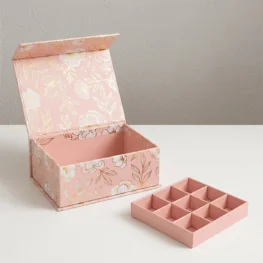
Rigid boxes are a different category entirely. They’re constructed from chipboard a dense, thick material that doesn’t fold or flex which means they need to be assembled in their final shape rather than shipped flat. This increases logistics costs slightly, but the trade-off in perceived quality is significant. Pick one up and it communicates premium immediately, before you’ve even opened it.
Rigid cigarette packaging is most commonly used for limited edition releases, gifting formats, duty-free product lines, and ultra-premium brands positioning themselves above mainstream retail. If your target consumer is comparing your product to a single malt whisky or a premium cigar, this is the format that signals you belong in that conversation.
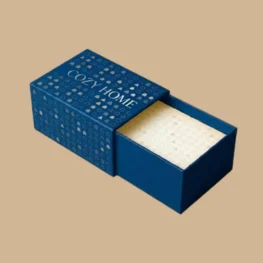
These sit within the luxury segment but offer distinct unboxing experiences. Magnetic closure boxes use a hidden magnet embedded in the lid you get that satisfying, deliberate click when it opens and closes. It’s tactile branding. Slide-and-tray formats, where an inner tray slides out from an outer sleeve, are elegant and relatively novel in cigarette packaging. Both options work exceptionally well for brands that know their customers keep and display the packaging, not just use it once and discard it.
There’s been a consistent shift over the last several years toward sustainable packaging, and tobacco packaging is not immune to that trend. Kraft paperboard has a visual language of its own raw, honest, consciously minimal. Brands leaning into a “natural tobacco” or organic positioning find that kraft packaging does significant work in communicating those values without a word of copy. Recycled SBS board and FSC-certified materials are available options that don’t require you to sacrifice structural quality or print precision.
Paperboard is the core material category for most cigarette boxes, but the differences within it matter considerably more than most buyers initially realize.
SBS is the most common material in commercial cigarette packaging and for good reason. It has a bright white surface that holds CMYK ink beautifully, strong fold resistance, and consistent caliper across a sheet. C1S (coated one side) is used when only the exterior needs a premium finish the inner surface stays uncoated, which can help with certain adhesive applications or internal labeling. C2S (coated both sides) gives you a finished surface on both exterior and interior, which matters if your box interior is visible to the consumer or includes printed secondary information.
Kraft board retains visible fiber texture and a naturally brown tone. It’s structurally capable sometimes more so than people assume and takes both uncoated printing and aqueous-coated printing well. Soy-based inks sit cleanly on kraft without the bleed risk associated with standard petroleum inks. If your brand message includes environmental responsibility, this material choice communicates it structurally, not just through copy.
Chipboard is a high-density board used as the structural core in rigid and setup box formats. It’s typically wrapped in a printed outer sheet often C2S SBS or a specialty paper which carries all the visual branding. The chipboard itself determines the structural rigidity and weight of the final box. Heavier chipboard adds heft and durability; lighter chipboard reduces shipping costs but may compromise the premium feel. We help clients find the right balance based on their price point and target market expectations.
Cigarettes are sensitive to humidity. Packaging that allows moisture ingress affects product quality directly. Moisture-resistant coatings typically applied as an internal barrier layer are a practical choice for brands distributing in humid climates or where cold-chain handling creates condensation risks. This isn’t a luxury add-on; for certain markets, it’s a structural necessity.
Print is where your brand lives on the box. Most suppliers will give you a list of techniques. We prefer to explain what each one does to a buyer’s perception because that’s what actually matters at retail.
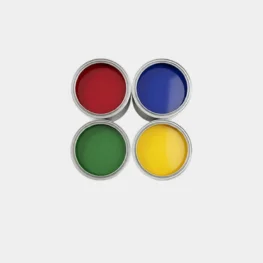
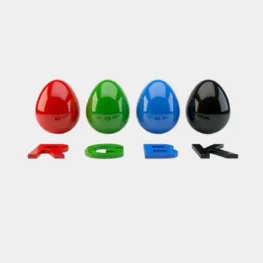
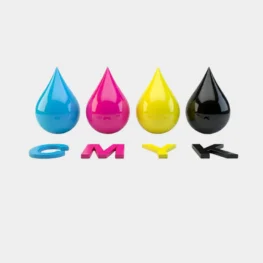
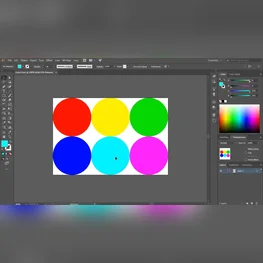
CMYK is the baseline. Four process inks cyan, magenta, yellow, black combine to reproduce almost any color in the visible spectrum. It’s cost-effective, highly accurate with modern digital pre-press, and capable of photographic quality at scale. For most mid-volume orders, CMYK full-color printing gives you everything you need at a unit cost that makes commercial sense.
PMS colors are premixed spot inks that reproduce a specific color exactly every time, across every batch. If your brand has a trademark color (think a very specific burgundy, or a distinctive coral), PMS is how you protect it in print. Consistency across markets and production runs is the real value here. Many premium tobacco brands use PMS for brand color and CMYK for imagery, combining both in a single print run.
Spot UV applies a high-gloss lacquer to a specific defined area of the box a logo, a pattern, a border while the rest of the surface remains in matte lamination. The contrast between glossy and matte creates a tactile and visual effect that’s immediately noticeable, and it draws the eye directly to the element you want emphasized. It’s one of the most effective and cost-efficient premium signals available in cigarette packaging.
Foil stamping applies a thin metallic film to the box surface under heat and pressure. Gold, silver, holographic, rose gold, matte black there are dozens of foil options. The result is reflective, metallic, and instantly signals premium. In duty-free and gifting contexts especially, foil stamping is almost expected. It also photographs exceptionally well, which matters in the age of social commerce and influencer product reviews.
Embossing raises a design element above the surface of the box; debossing pushes it below. Both create a three-dimensional tactile effect that consumers engage with physically. A debossed brand name on a soft-touch box, for example, creates a moment of finger-tracing engagement that’s difficult to replicate in any other medium. For luxury tobacco brands, this kind of sensory layering is part of the product experience itself.
Soft-touch is a tactile coating that gives the box surface a velvety, slightly rubbery feel. It resists fingerprints, which is practical for retail display. More importantly, it signals quality before the consumer has read a single word. Paired with spot UV or foil, soft-touch matte is arguably the most effective premium positioning combination available at a mid-tier price point.
Tobacco packaging regulations vary significantly by market. Plain packaging laws in some countries mandate specific proportions of health warning imagery, restrict brand logo size, and dictate font types and text placement. Other markets have less prescriptive rules but still require specific language, tax stamps, or track-and-trace features.
We help clients plan compliant artwork structures defining mandated warning areas, ensuring health imagery dimensions are accurate, and structuring the dieline so brand elements sit within permitted zones. We’ve worked with brands targeting multiple regulatory environments simultaneously, creating packaging architectures that can be adapted efficiently between markets without a full redesign each time.
That said and we say this to every client final compliance sign-off is your brand’s responsibility. Regulations change. Local interpretations vary. We provide informed guidance and compliant templates, but we always recommend having your regulatory or legal team review final artwork before production begins. It’s not a disclaimer for its own sake; it’s how we protect your brand from costly reprints.
MOQ conversations often create unnecessary friction. The question isn’t just “what’s the minimum” it’s “what’s the right quantity for where you are in your brand lifecycle.”
Standard tuck-end boxes in CMYK typically start at 500 to 1,000 units. At that volume, unit costs are higher than at 10,000+, but they give you what you actually need: real product in real hands, retail-testable quantities, and the flexibility to adjust before committing to a large run.
Rigid and luxury formats have higher setup costs tooling, assembly, wrap application so MOQs tend to start higher, often 1,000 to 2,500 units minimum. If those numbers feel prohibitive for a test launch, we often recommend starting with a premium tuck-end at lower MOQ and reserving the rigid format for when you’ve validated the product-market fit and have retailer interest confirmed.
We’d rather have an honest conversation about what makes commercial sense for your situation than push a large order that doesn’t fit where you are. That’s not altruism it’s how we build relationships that actually last beyond a single transaction.
Most clients come to us with either a clear brief or a vague idea and both are fine starting points. Here’s what the typical process looks like from initial contact to boxes on your shelf.
The process begins with a discovery conversation usually a short call or email exchange where we establish product dimensions, target market, quantity range, and any compliance requirements. From there we provide structural recommendations and a provisional quote range so you know you’re in the right ballpark before investing time in design.
Once the quote is confirmed, design and pre-press begins. If you have existing artwork, our team reviews it for technical accuracy print-safe bleeds, correct color profiles, resolution checks. If you need design support, we create the dieline and can assist with layout, ensuring brand elements and regulatory requirements are properly integrated.
A digital proof is shared for approval before anything goes to print. For new clients or complex structures, we strongly recommend a physical prototype it takes a few extra days but removes all ambiguity about size, feel, and finish before you’re committed to production quantities.
Production typically runs 10 to 18 business days depending on box type, finishing complexity, and current capacity. We give accurate timelines, not optimistic ones because a late delivery on packaging can hold up an entire product launch, and that’s not a risk worth taking to win a quote.
We get asked occasionally what our client retention rate looks like. The honest answer is that we don’t track it as a metric the way some companies do but we do notice patterns. Most brands that order once come back. And when we ask why, the answers are consistent: it wasn’t just the product, it was the process.
Packaging procurement for tobacco brands involves a specific mix of regulatory sensitivity, brand precision, and operational timing that doesn’t leave a lot of room for supplier ambiguity. When something is unclear, it needs to be clarified quickly. When a timeline is tight, communication needs to be proactive rather than reactive. We’ve built our process around those realities not as a marketing message, but because it’s the only way the work makes sense for the clients we serve.
If you’re evaluating custom cigarette box suppliers for the first time, or if you’re looking to switch after a frustrating experience elsewhere, we’d encourage you to start with a sample request and a brief conversation. That’s usually enough to tell you whether working together makes sense for both of us.
The best material depends on your brand positioning and budget. Rigid chipboard is ideal for luxury wig packaging because it’s durable and premium in feel. Standard cardboard wig boxes work well for retail and everyday use they’re lightweight and easily customizable. For eco-conscious brands, kraft paper offers excellent eco-friendly wig box options that resonate with sustainability-minded customers. The key is to match the material to your customer’s expectations and the shipping demands of your product.
Yes, many custom wig boxes are made from sustainable packaging solutions, including recycled cardboard, FSC-certified paper, and soy-based inks. When working with a packaging provider, simply request eco-friendly wig boxes. The environmental footprint of your hair product packaging is increasingly important to consumers, and choosing recyclable or biodegradable materials can actually strengthen your brand image.
Custom-printed wig boxes give you complete control over how your brand looks at the point of sale. Your logo, color palette, typography, and visual story all appear on the box making it a walking advertisement for your brand. In real-world retail, branded hair packaging increases recognition and builds trust. Online, it creates the kind of polished product display packaging that encourages customers to share unboxing experiences, driving organic social media visibility.
In most cases, yes. Wigs are delicate and can shift, tangle, or lose shape during transit or storage. Custom inserts foam, cardboard, or fabric hold the wig securely in place inside the box and help maintain its original form. For premium hair extension packaging especially, inserts are a strong signal of quality and care that customers notice immediately upon opening.
Minimum order quantities (MOQs) vary depending on the type of custom wig box, the printing method, and the supplier. For standard cardboard wig boxes with digital printing, MOQs can be as low as 50–100 units. Wholesale wig boxes with offset printing usually start from 500 units and above. Rigid boxes and luxury wig packaging tend to have slightly higher MOQs due to the production process involved. It’s always worth discussing your volume needs upfront to find the most cost-effective option for your business.